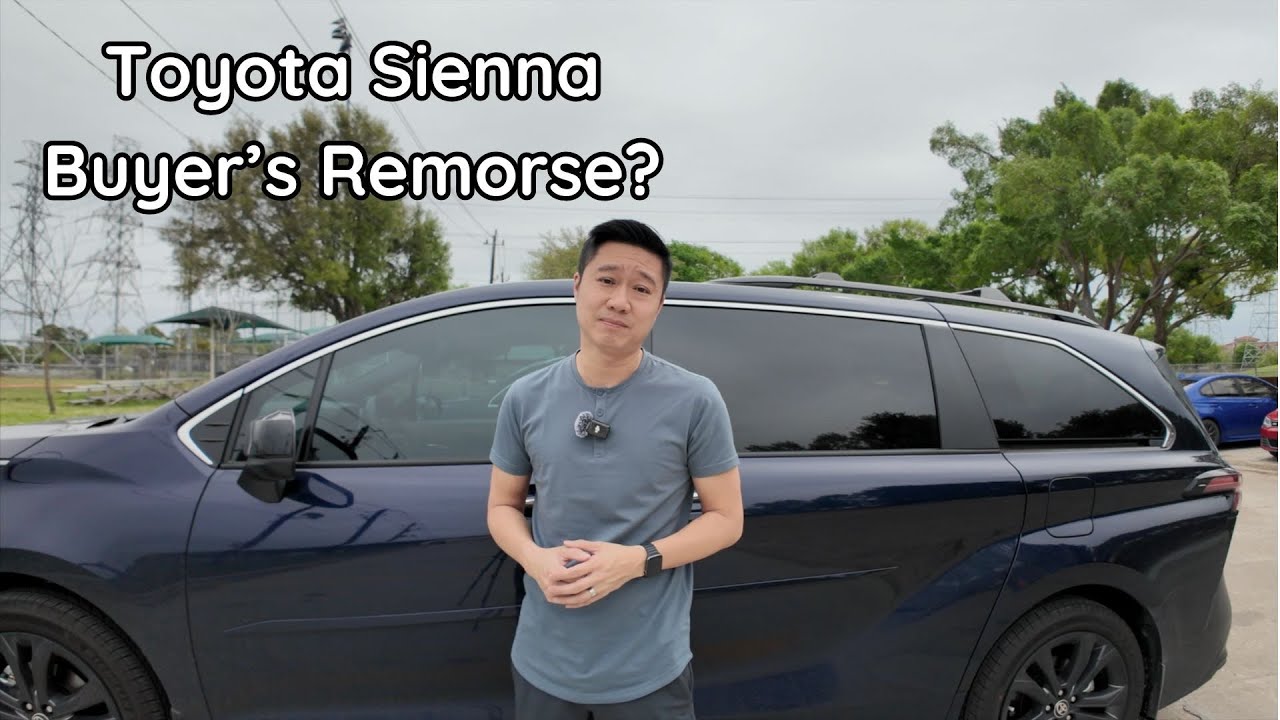
Toyota Sienna 2024 Review: Is It Right For Your Family?
After spending four months and about 4,000 miles with it, this review dives into what really matters for a family van owner—not just horsepower specs. The Toyota Sienna XSE trades some performance metrics for significant long-term advantages, particularly its hybrid efficiency and incredible interior space, making it a contender despite the ‘van’ stigma.
What’s the Big Trade-Off: Efficiency vs. Power?
The most notable aspect of the Toyota Sienna XSE is that it operates as a hybrid car. This means the primary trade-off involves its performance profile. While the vehicle may have some of the lowest horsepower among vans on the market, this limitation is offset by its excellent gas mileage potential.
- Mileage Potential: Toyota’s website suggests up to 36 miles per gallon (MPG).
- Driving Habits Matter: Achieving peak MPG requires adjusting driving style. When operating within the Eco range, efficiency is maximized; speeding up engages the ‘Power’ mode, which lowers fuel economy. Conversely, letting off the gas or braking triggers the ‘Charging’ function.
- Personal Experience: Without conscious modification of habits, the reviewer noted mileage between 32 to 33 MPG. However, by consciously staying in the Eco range, up to 37 MPG was achievable.
How Spacious Is the Toyota Sienna XSE for a Family?
The interior space is one of the biggest selling points. The vehicle offers substantial room regardless of which row you occupy.
- Second Row: The captain seats were described as “amazing” with no issues noted for leg or headroom.
- Third Row: Space here was adequate for the reviewer (5’9”), though taller individuals might prefer utilizing the front or second rows. Headroom remained sufficient even when considering the placement of a child’s car seat further back to prevent kicking the front seats.
- Cargo Capacity: The trunk space is noted as plenty for typical usage, and if more room is needed, folding down the back seats provides ample storage area.
What Features Actually Make Life Easier on the Road?
Beyond raw specs, several functional elements stood out during real-world use.
- Sliding Doors: These doors significantly improve usability by eliminating worries about parking too close to another vehicle, allowing time to safely load and unload children.
- Storage Solutions: The small cubby section located in the center console proved highly useful for keeping essentials like tissues, wet wipes, and even spare clothes nearby.
- Convenience Tech: The standard cup holders and available auto-charging ports remained positive features from earlier assessments of the vehicle.
Does It Have Everything I Need? (Pros vs. Cons)
The review highlighted several areas where modern technology or design choices presented minor frustrations.
The Good: Climate Control & Connectivity
- Four Zone Climate Control: This system is highly praised, allowing separate temperature adjustments for different zones in the rear cabin—a major win for family harmony.
- Connectivity Access: The inclusion of Android Auto and Apple CarPlay integration is a plus (though noted below regarding wiring).
The Quirks & Cons to Be Aware Of
- Wireless Connectivity: While both Android Auto and Apple CarPlay are available, they require a wired connection by default. Achieving wireless capability necessitates purchasing third-party accessories.
- Phone Holder Limitations: The integrated phone holder area is restrictive; it fits phones like the iPhone 15 Pro decently but would not accommodate larger models such as the Pro Max. Furthermore, using Android Auto requires positioning the device upside down to connect through the designated port.
- Port Confusion: It was noted that only one specific port connects to the vehicle’s main connectivity system for CarPlay/Android Auto; other ports located under the armrest or in the back are limited to charging functions only.
- Second Row AC Vents: The air flow from the second-row AC vents was deemed subpar compared to the front and third rows, requiring manual adjustment of the AC setting which resulted in a noticeably loud fan noise afterward.
- Auto Sensors: The automatic sensors for opening or closing features (like the trunk) were reported as occasionally malfunctioning, requiring multiple attempts to engage properly.
The Final Verdict
After weighing the excellent hybrid efficiency and unparalleled interior space against minor quirks like restrictive phone mounts and second-row AC airflow, the Toyota Sienna XSE remains a highly practical family hauler. Its value proposition centers on longevity and usable passenger volume rather than raw speed or performance metrics. Ultimately, whether this van fits your needs depends on prioritizing cabin space and MPG savings over top-tier tech integration or sporty driving dynamics.
Disclaimer: Some of the links below are affiliate links, meaning I may earn a small commission at no extra cost to you if you decide to purchase.