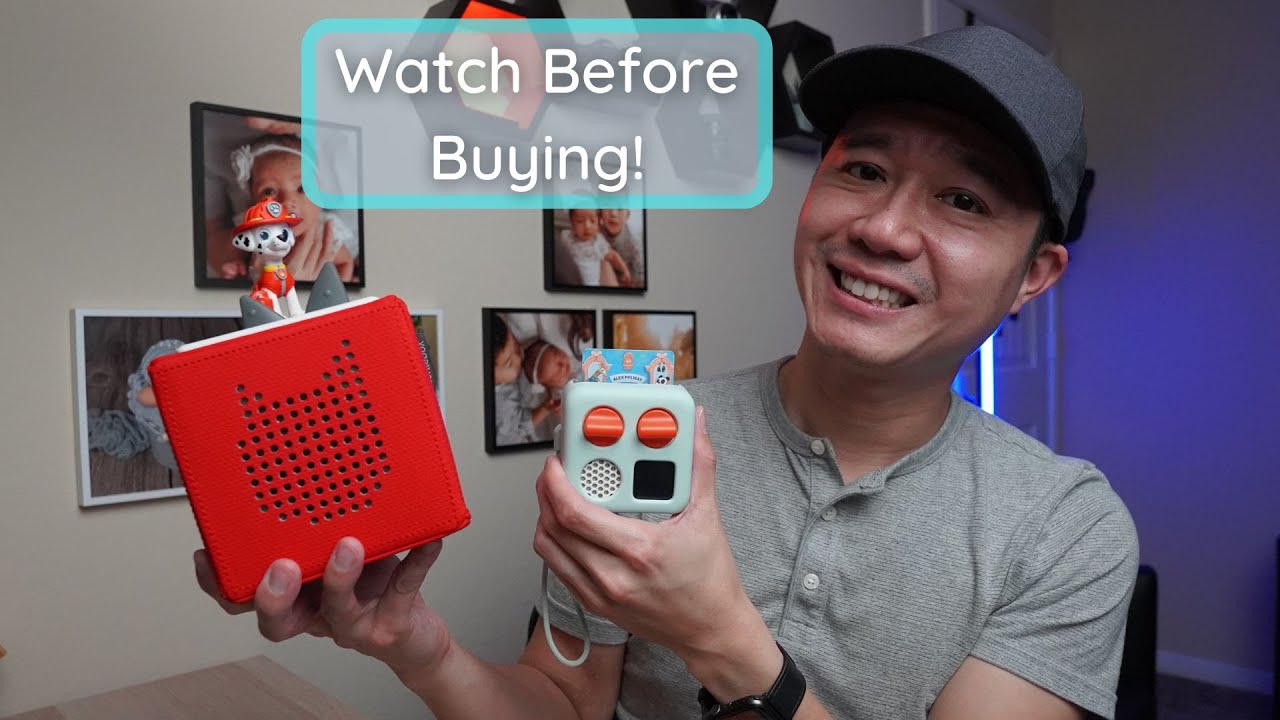
Toniebox vs Yoto Mini: Which Audio Player Wins?
When choosing between two popular screen-free audio players, like the Toniebox and the Yoto Player, the decision often comes down to a balance of ease of use versus advanced features. Based on real-world comparison, the Toniebox edges out the Yoto Player for families with younger children (under five) due to its simpler operation. However, if the child is older and capable of handling complex controls, the Yoto Player offers superior overall functionality.
How Much Does the Initial Cost Really Add Up?
The initial purchase price comparison shows the Toniebox Starter Set at $99.99, which includes the player and a playtime Tony. The Yoto Player is priced at $69.99, including an introduction card that doubles as a make your own card.
- Value Breakdown: If you calculate the standalone value, the Toniebox unit itself appears to have a higher intrinsic value compared to the Yoto Player.
- Bundles: The Tony website allows for building custom bundles with significant savings on multiple Tonys.
- The Catch (Durability): Durability shifts the cost balance. The Toniebox is made of a soft material that doubles as a built-in cushion, meaning it requires no extra protective case. The Yoto Player, being standard plastic, benefits from a recommended silicone protective case, which can lower the bundle price but still makes the overall package more expensive than calculating the Toniebox Starter Set retail price minus the included card.
Is Durability and Build Quality a Major Factor?
Durability is key when buying items for children. The Toniebox’s soft material offers inherent protection against accidental drops, which was noted as a significant plus point in practice.
The Yoto Player, conversely, is made of regular plastic. Due to this, the inclusion of a protective case is recommended; without it, dropping it on hard surfaces like tile or wood floors could potentially cause damage or breakage.
Which Device Is Easier to Carry Around When Traveling?
Portability leans heavily toward the Yoto Player. It is described as being a fraction of the size when compared to the Toniebox, and even a 16-month-old was able to carry it around the house easily.
- Toniebox Concerns: While advertised for travel, its size makes fitting it into luggage or a carry-on difficult. Furthermore, losing individual Tonys is easier because the magnets are not strong enough to withstand bumps.
- Yoto Player Benefits: The Yoto Player is small enough to pack easily in a backpack and the cards themselves are much harder for little hands to lose compared to separate magnets.
How Simple Is It For Kids to Use Day-to-Day?
From an adult perspective, neither device is overly difficult, but viewing it through a child’s lens changes things significantly.
- Toniebox Simplicity: The Toniebox is praised for its extreme simplicity—turning on the unit requires only pressing one of the attached ears. Volume control is also straightforward with two dials (one larger, one smaller), making accidental major adjustments less likely than with other models.
- Yoto Player Complexity: Turning on the Yoto Player requires holding a side button for about three seconds. While volume control via a dial exists, it can confuse young children who might accidentally adjust it. The track navigation—using left/right buttons and a central dial—is noted as being quite complex to process for very young listeners.
What About Advanced Features? (Playback & Storage)
The Yoto Player offers more advanced functionality that the Toniebox lacks:
- Saving Spot: When removing a card from the Yoto Player, it saves the exact spot you left off, even if another card is inserted afterward. The Toniebox only continues playing if the exact same Tony is put back on; switching to a different Tony will restart playback.
- Battery Life: On paper, the Yoto Player is rated for up to 20 hours, while the Toniebox is rated for up to 7 hours. However, in practice, the Toniebox showed better standby battery management, as it automatically powers down after about 10 minutes of inactivity, whereas the Yoto Player stays powered until after an hour.
The Final Verdict: Which One Should You Buy?
The choice hinges entirely on the age and developmental stage of the primary user.
- For Younger Children (Under 5 Years Old): The Toniebox is the recommended unit. Its overall operation is much easier and less frustrating for a toddler to manage, which translates to less stress for the parents.
- For Older Children (Ages 5+): The Yoto Player is the superior buy. It possesses more advanced features—like saving playback spots and its general functionality—that older children are equipped to understand and utilize without getting frustrated by complex controls.
Disclaimer: Some of the links below are affiliate links, meaning I may earn a small commission at no extra cost to you if you decide to purchase.
Where to buy
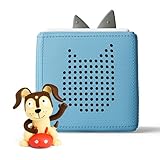
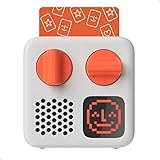
As an Amazon Associate I earn from qualifying purchases. Some links on this page are affiliate links — I may earn a small commission at no extra cost to you. Prices shown are accurate as of 2026-10-05 and may change.