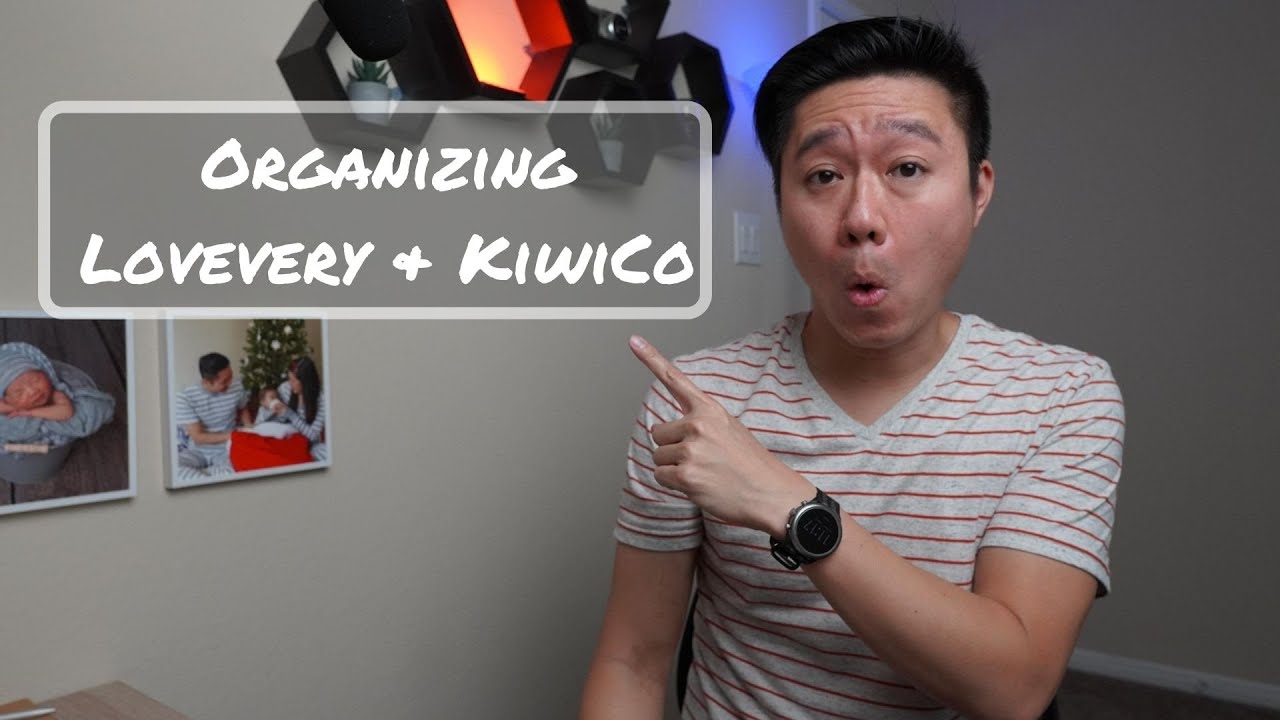
Storing Lovevery and KiwiCo Toys: One Year Review
If you’re looking at toy subscription boxes like KiwiCo or Lovevery and wondering if the sheer volume of toys will overwhelm your home, this breakdown might help. After a full year of subscribing to both, the collection is significant, but the actual storage footprint is manageable, especially when using proper container systems. The key takeaway is that the value lies in the skills the toys encourage, not just the physical space they occupy.
What Exactly Did I Receive in the First Year?
The initial collection shows a steady stream of educational toys designed for specific developmental stages. The items received covered the period from zero to 12 months, with some months being more sparse because the subscriptions hadn’t started simultaneously.
A look at the timeline revealed:
- Lovevery: Included items like the Charmer and the Explorer.
- KiwiCo: Provided sets such as Travel With Me and the Inspector.
- Specific Sets: The collection included developmental tools like the Thinker and Listen With Me, which are geared toward building specific skills.
The philosophy behind the sheer volume is rooted in the concept of the absorbent mind, a concept developed by Maria Montessori. This period, spanning from birth through about age six, allows a child to absorb learning from their environment without conscious effort.
How Is This Toy Collection Actually Stored?
The immediate concern regarding storage was addressed by using dedicated, stackable bins.
- The System: The bins were sourced from Costco and allow for separation based on time period (e.g., one box for Lovevery Month 3/4, another for the same time frame).
- The Stacking: When all the stacked bins are placed together, the entire collection currently reaches only up to my waist when standing next to them. This suggests a surprisingly contained footprint, especially when stored in a closet.
How Do I Keep Toys in Rotation Without Overwhelming Space?
It’s important to note that the toys shown here are in storage boxes, meaning they are not currently in active rotation.
- Rotation Strategy: The system works by keeping the most used items out and cycling in new or less-used items from the bins.
- Flexibility: The rotation depends entirely on the child’s current interests. If a toy on the shelf isn’t engaging, it can be swapped out for something from the stored collection.
The Final Verdict
For parents concerned about the volume of toys from subscription services, the experience suggests that while the quantity is large, the storage solution is surprisingly efficient. The toys are designed to support the child’s absorbent mind during crucial early years. The system relies on containerization (like the bins mentioned) to keep the physical footprint small, allowing the items to be stored out of sight until they are needed for playtime rotation.
Disclaimer: Some of the links below are affiliate links, meaning I may earn a small commission at no extra cost to you if you decide to purchase.
Where to buy
Some links on this page are affiliate links — I may earn a small commission at no extra cost to you.