I Spent $2,000 on Screen-Free Alternatives — Here's What I'd Actually Buy Again
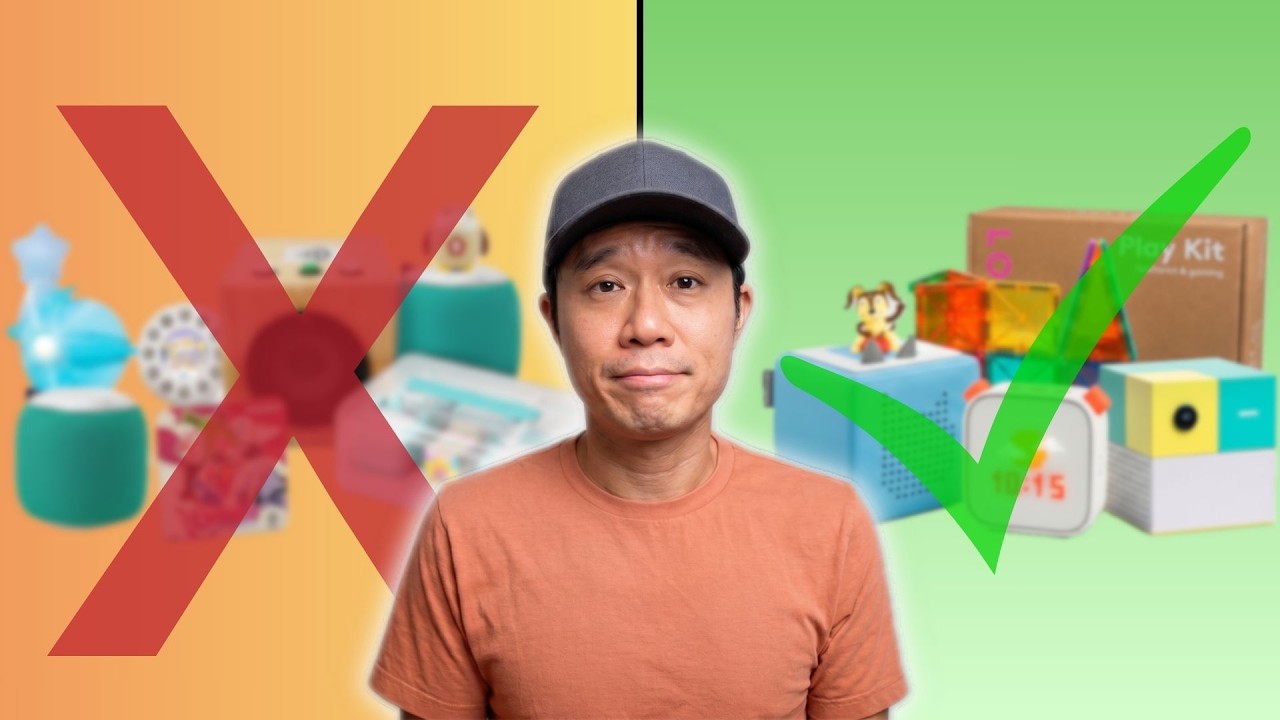
Over the last five years, I spent more than $2,000 chasing screen-time alternatives for my kids — Yoto, Toniebox, Magna-Tiles, Lovevery, and a lot more. And after all that money, my kids completely stopped using more than half of them.
Quick context: I’ve got two kids — my son is seven, my daughter is four — and we’ve limited screen time from day one. We’re not anti-screen; we’re anti-passive-screen-time, and that distinction is why a couple of things on this list might surprise you. Every one of these products promised to be the screen-free answer. The marketing is beautiful, the unboxing feels great… and then a few months later it’s sitting on a shelf. At $100–$300 a pop, those mistakes add up fast. So here’s what actually happened with real kids — and what I’d buy again.
What Didn’t Work: The Products My Kids Stopped Using
Moonlite Storybook Projector
This one hurts because the idea is clever. You clip it onto your phone and project stories onto the ceiling at bedtime. My kids generally loved it, but the clip got harder to use as phones got bigger and thinner, and the books are expensive for what you get. Early on there were a lot of sales, but those seem to have dried up over time.
Storypod
Storypod sent this to me a few years back and it had real promise — a similar concept to Yoto and Toniebox, with physical character triggers for stories. But over the years it just couldn’t keep up, and a big part of that is access. Toniebox and Yoto are both at Target now; you can walk in, grab a card, and be set in an hour. Storypod never got there, and when content is harder to find, kids use it less.
Tokido’s Cube
I wanted to love these — interactive play cubes with no screens. But they failed the ultimate toy test in our house: the organic pull. The cubes sit on a low shelf, in plain sight and fully within reach, but my kids never touched them on their own. If I actively asked, they might play for a few minutes, but they’d almost always rather play with anything else. When a toy needs a parental push just to get used, it’s more chore than fun.
DIY Phoniebox
I actually built my own screen-free audio player on a Raspberry Pi. It works — but something about it just never drew my kids in. I even loaded the same stories on both the Phoniebox and the Yoto, and Yoto won every single time. If you enjoy the build, go for it. But as a daily-use product for kids, it’s not there. And here’s the part that really stings: after adding up all the parts and my time, it cost more than a Toniebox or Yoto.
What Made the Cut: The Products That Survived Daily Use
Magnetic Tiles
These are the cockroach of screen-free toys — they just won’t die, and I mean that in the best way. My son started with them at three and at seven he’s still building. The key is they scale with age: a toddler stacks them, a five-year-old builds castles, a seven-year-old makes marble runs. No batteries, no content to buy, no subscriptions. We’ve got roughly 200 tiles at this point and I regret nothing (check out my Magna-Tiles 2-year review to see why).
Lovevery Play Kits
Most of the newer ones were sent to me by Lovevery, but the reason they work is the structure — not “here’s a toy, figure it out,” but a real activity path my kids could follow with minimal help from me. The younger kids aged out, but the skill sets have had the longest active life of any Lovevery product we owned (see my Lovevery play kits ranking for the full breakdown).
Nex Playground
This one’s polarizing — yes, it’s a screen. But here’s what matters: my kids are physically moving, running and jumping, and after two years of weekly use it’s the only screen product where I don’t feel guilty walking away. The subscription cost is real, but the usage data in our house says it’s worth it.
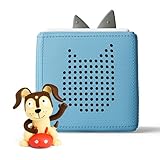
Toniebox
Three years in and this thing is still on our living room shelf. My daughter uses it more than my son now, which is exactly how it’s supposed to work — it passes down. The Tonies are expensive, but the ones we bought three years ago still get played weekly (we’ve got over 20). Toniebox just released a second-generation player, which tells you the company is still actively investing in it. The build quality held up and the speaker is surprisingly good. Not flashy, but reliable — and with little kids, that matters more than features.
Honorable Mention: A Budget MP3 Player for Travel
This one isn’t technically in the ranking because I’d never really talked about it before — a simple MP3 player (the AiMoonsa) that runs under $40 and goes on sale for even less. My son uses it when we travel, because the full-size Yoto Player is too big to pack in his backpack. We already have a Yoto Mini and the third-gen Yoto Player, so buying another Yoto Mini just for travel felt like overkill — the MP3 player made way more sense. I load it up with audiobooks before we leave and it works almost as well. Not as fun as inserting a card, but at that price it doesn’t need to be. It might just be the best budget alternative to all these screen-free audio players.
The Final Verdict
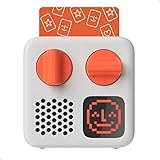
If I could go back five years and buy only one product, it would be the Yoto Player — and a stack of make-your-own cards.
It’s the only product on this entire list that completely solved the problem of kids needing a parent involved just to use it. My seven-year-old picks it up, grabs a card, and disappears into his room for 45 minutes at a time. My four-year-old does the same at bedtime — picks a card, puts it in, and listens until she falls asleep. No setup, no app, no asking me to start something. The make-your-own cards opened up a whole world of free audiobooks and music (we’ve got over 40 cards now, official and blank ones I’ve recorded myself), which made it a no-brainer over time. For travel, the Yoto Mini covers the same idea in a smaller package.
Everything else taught me something, and a few even earned a permanent spot in our house. But Yoto is the one my kids reach for without being asked, almost every single day, year after year. That daily independent use is the test none of the marketing can fake.
If you own any of these, which one did your kids actually stick with? I genuinely want to know if your experience matches mine.
Disclaimer: Some of the links below are affiliate links, meaning I may earn a small commission at no extra cost to you if you decide to purchase.
Where to buy



As an Amazon Associate I earn from qualifying purchases. Some links on this page are affiliate links — I may earn a small commission at no extra cost to you. Prices shown are accurate as of 2026-10-05 and may change.