Montessori vs Traditional Schooling: What Parents Must Know
Deciding between a Montessori approach and traditional schooling methods can feel overwhelming, especially when both seem to have their merits. After exploring these philosophies and toys for four years, the takeaway is that neither system is universally “better”; instead, the ideal fit depends heavily on your child’s unique needs and your family values. This comparison breaks down what each model emphasizes—from learning pace to classroom environment—to help clarify where a style might align with your household.
What Exactly Is Montessori Learning?
The Montessori philosophy centers entirely on child-led, hands-on learning. Instead of following a rigid schedule, children in these settings select activities that pique their interest and explore at their own natural pace.
- Core Concept: Promoting independence and fostering genuine curiosity.
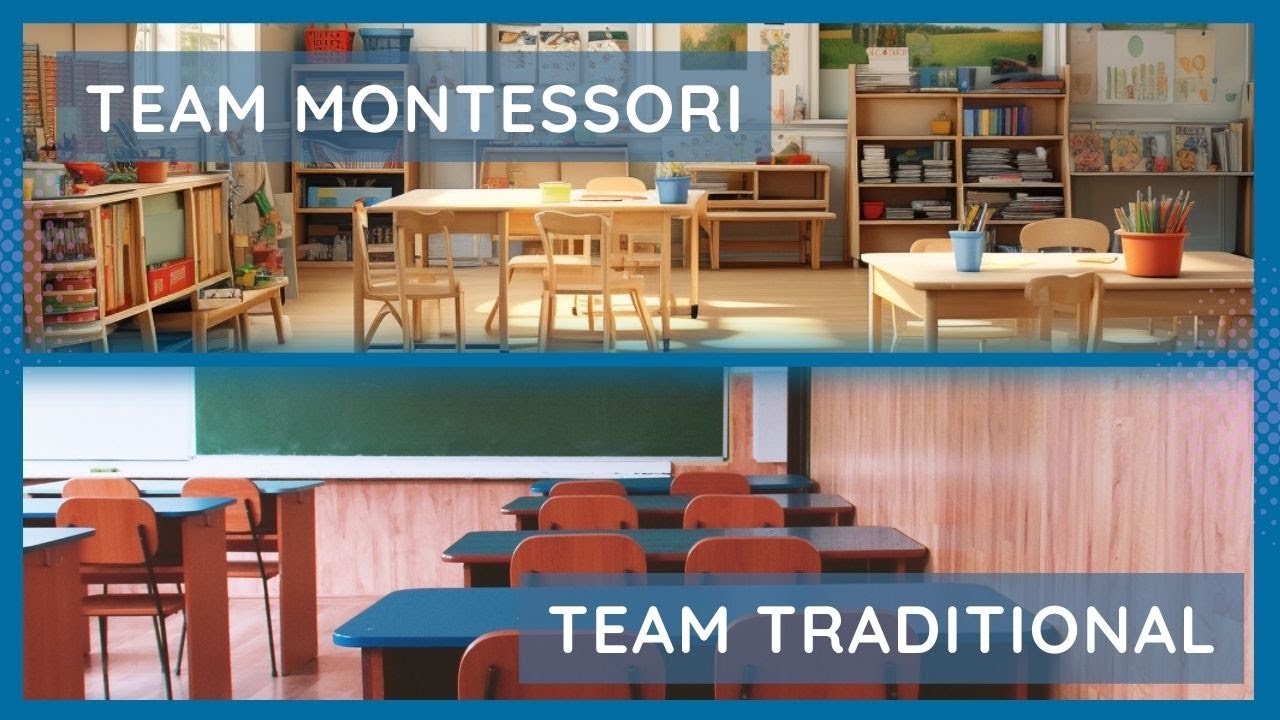
- Classroom Setup: Often features diverse learning stations rather than traditional rows of desks. Materials can range from classic Montessori tools to modern options like Lovevery play kits.
- Learning Style: The focus is on the child’s internal motivation, treating learning as an adventure rather than a chore.
How Does Traditional Schooling Compare?
Traditional schooling operates on a more structured model where the teacher leads and students follow established guidelines. This environment relies heavily on set curricula, grades, and standardized testing.
- Structure: Characterized by defined classrooms, desks facing the front, and group movement between subjects.
- Pacing: The system tends to move everyone at the same pace, which can be highly efficient for measuring progress but less flexible for individual needs.
- Assessment: Success is often measured through traditional report cards and standardized tests.
What Are the Key Differences in the Classroom Experience?
The differences go deeper than just the daily routine; they touch on how children interact with learning itself.
Teaching Method: Guided vs. Self-Directed
- Montessori: The child drives the education. This approach is noted for fueling natural curiosity and promoting a deeper understanding because engagement is inherent.
- Traditional: The teacher leads the instruction. While this structure can be reassuring for some, it risks adhering to a “one size fits all” approach that might overlook individual interests.
Classroom Environment: Mixed Ages vs. Age-Grouped
- Montessori: Features mixed age groups, which encourages community and mentorship. Children learn from peers across different developmental stages—a setup noted for mirroring real-world collaboration.
- Traditional: Tends to group students by the same age. While this can make measuring academic progress straightforward, it reportedly fosters a more competitive atmosphere focused on achievement metrics.
Measuring Progress: Observation vs. Grades
- Montessori: Assessment is often done through observational records. Teachers keep detailed notes on strengths and areas for improvement rather than assigning A’s, B’s, or F’s.
- Traditional: The system relies heavily on report cards and standardized tests, measuring performance against benchmarks.
Integrating Play into Learning
This is a significant differentiator:
- Montessori: In this model, play is learning. Deep engagement with puzzles or blocks is viewed as absorbing critical life skills and academic concepts simultaneously. The world itself is treated as the classroom.
- Traditional: Play often appears segregated, typically occurring during recess—a designated “break from learning” rather than an integrated part of it.
What Are the Pros and Cons of Each System?
Both methods offer distinct advantages and disadvantages that parents weigh heavily when making educational choices.
Montessori Strengths & Weaknesses
- Pros: Excellent for fostering independence, teaching practical life skills (like pouring juice), and providing extensive hands-on learning experiences.
- Cons: Can be pricey, and some children may struggle in the highly open, self-directed environment.
Traditional Strengths & Weaknesses
- Pros: Generally more budget-friendly and has a wider geographic spread, meaning more schools are available to choose from.
- Cons: Critics point out it can be limiting for creativity, and the emphasis on constant testing/grading can induce stress.
The Final Verdict
The decision between Montessori and traditional schooling is complex because both systems effectively achieve different developmental goals. While the blog post notes that a holistic approach to development leans toward Montessori, the conclusion remains that the best choice depends entirely on your specific family values and your child’s unique temperament. There isn’t a single superior model; it requires matching the educational structure to the individual learner.
Disclaimer: Some of the links below are affiliate links, meaning I may earn a small commission at no extra cost to you if you decide to purchase.
Where to buy
Some links on this page are affiliate links — I may earn a small commission at no extra cost to you.