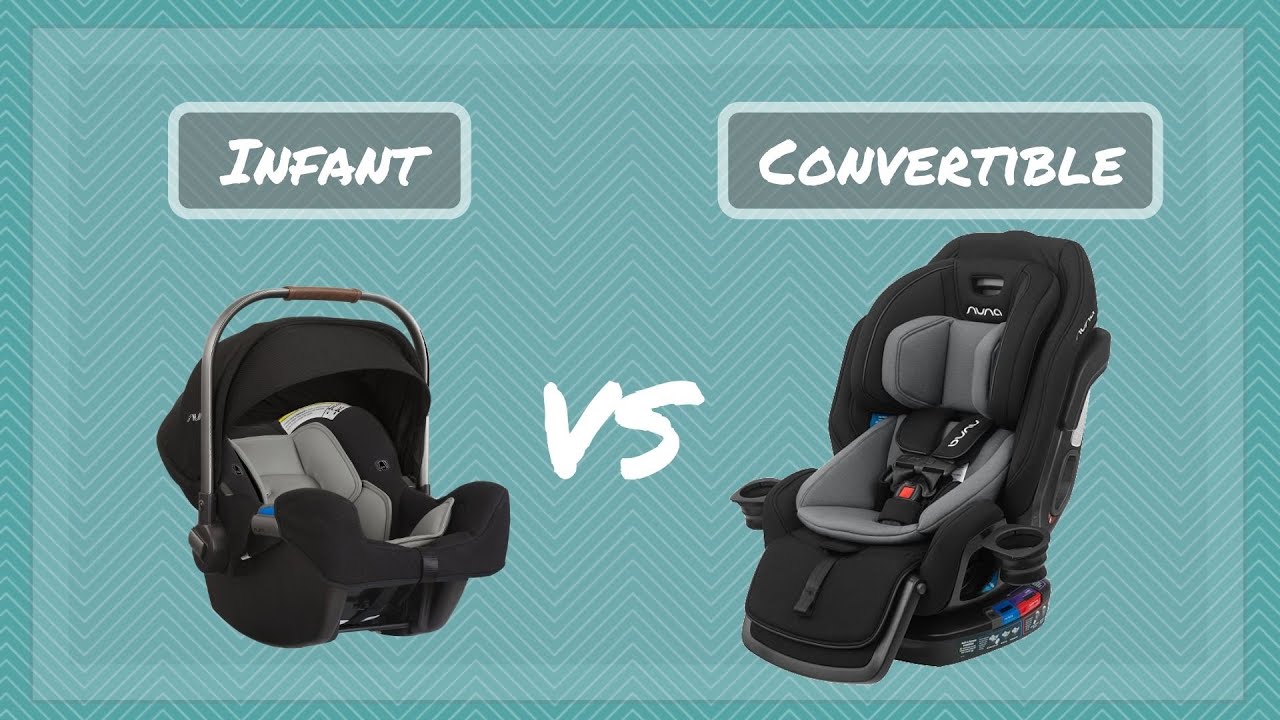
Infant vs Convertible Car Seat: Which is Right for You?
Deciding between starting with a dedicated infant car seat or buying an all-in-one convertible model is one of the biggest early parenthood gear dilemmas. If you prioritize travel convenience, portability, and easy stroller snapping during the first year, an infant car seat is the best starting choice. If you want to buy only one seat that grows with your child for a decade and provides long-term savings, go with an all-in-one convertible car seat. Below, we break down the distinct benefits of each setup based on real-world use.
Why Start with an Infant Car Seat?
Dedicated infant car seats generally come in two parts: a base and the carrier. This split design offers several logistical advantages over keeping everything installed in one unit, like convertible models.
- Portability is Key: Because the carrier portion is much lighter when it snaps into place, this setup facilitates true travel systems. You can take just the carrier and attach it directly to a stroller (which is usually sold separately, though once they grow into toddlers, a stroller wagon might become your primary setup).
- The Nap Factor: This removal capability is crucial early on. If the baby falls asleep in a convertible car seat and you reach your destination, removing them carries a higher chance of waking them up. With an infant car seat, taking the baby out while asleep is easier to manage.
- Multiple Vehicles: Having a removable carrier means if you have multiple cars, you can purchase additional bases for different vehicles, saving money compared to buying multiple complete convertible seat bases.
- Infant-Specific Design: These seats are engineered specifically with newborns in mind. They typically default to a 45-degree angle, which is noted as being important not just for comfort but also for keeping the child’s head up and chin off their chest. Many also feature extra padding, whereas convertible seats might only have removable inserts that may not fit smaller infants.
- Built-in Shade: A benefit often overlooked is the built-in canopy to block sun from a newborn’s eyes (though this can be supplemented by window shades).
What are the Benefits of an All-In-One Convertible Car Seat?
While infant seats shine in convenience, all-in-one convertible car seats focus on longevity and cost-effectiveness over time.
- Growth Span: Most all-in-one style car seats are rated for a massive range, often five to 120 pounds, meaning they can potentially be used from infancy until the child reaches booster seat age (around eight to twelve years old).
- Long-Term Cost Savings: While these units have a higher upfront price point, doing the math over several years shows significant savings. For example, using brands like Nuna: buying multiple smaller seats adds up quickly compared to investing in one unit that covers the full range.
- Streamlined System: The primary benefit is having one seat that transitions through all stages of childhood use—rear-facing, forward-facing, and booster mode—eliminating the need to buy subsequent replacements.
Understanding Convertible Models (Nuna Examples)
If looking at brands like Nuna, you see different lines:
- Nuna Rava: Converts from rear-facing (5 to 50 lbs) to front-facing (25 to 65 lbs).
- Nuna Ace: A booster configuration that fits weights and heights for older toddlers.
- Nuna Exec: Acts as a combination of the other two, offering multiple modes across a wide weight range.
Note: The specific pricing examples shown in the transcript illustrate how purchasing separate seats (Pipa + Rava + Ace) compares to the single purchase price of an all-in-one unit like the Nuna Exec.
How Much Does Travel Frequency Change the Recommendation?
The deciding factor seems to be lifestyle flow:
- For High Travelers: If frequent travel, especially flying or using ride-shares (Uber/taxis), is a major part of the routine, the infant car seat setup offers superior day-to-day convenience and portability.
- For Settled Households: If the goal is to minimize gear purchases and maintain one system for years, the all-in-one convertible car seat is presented as the more cost-effective choice over a decade of use.
The Final Verdict
Ultimately, there is no single right answer. If convenience during early outings (especially naps) and portability across multiple vehicles are top priorities, starting with an infant car seat structure makes sense. However, if maximizing longevity within one purchase—covering the full spectrum from newborn to pre-teen—is the main goal, investing in a high-range all-in-one convertible car seat is the more financially sound long-term strategy.
Disclaimer: Some of the links below are affiliate links, meaning I may earn a small commission at no extra cost to you if you decide to purchase.
Where to buy

As an Amazon Associate I earn from qualifying purchases. Some links on this page are affiliate links — I may earn a small commission at no extra cost to you. Prices shown are accurate as of 2026-10-05 and may change.