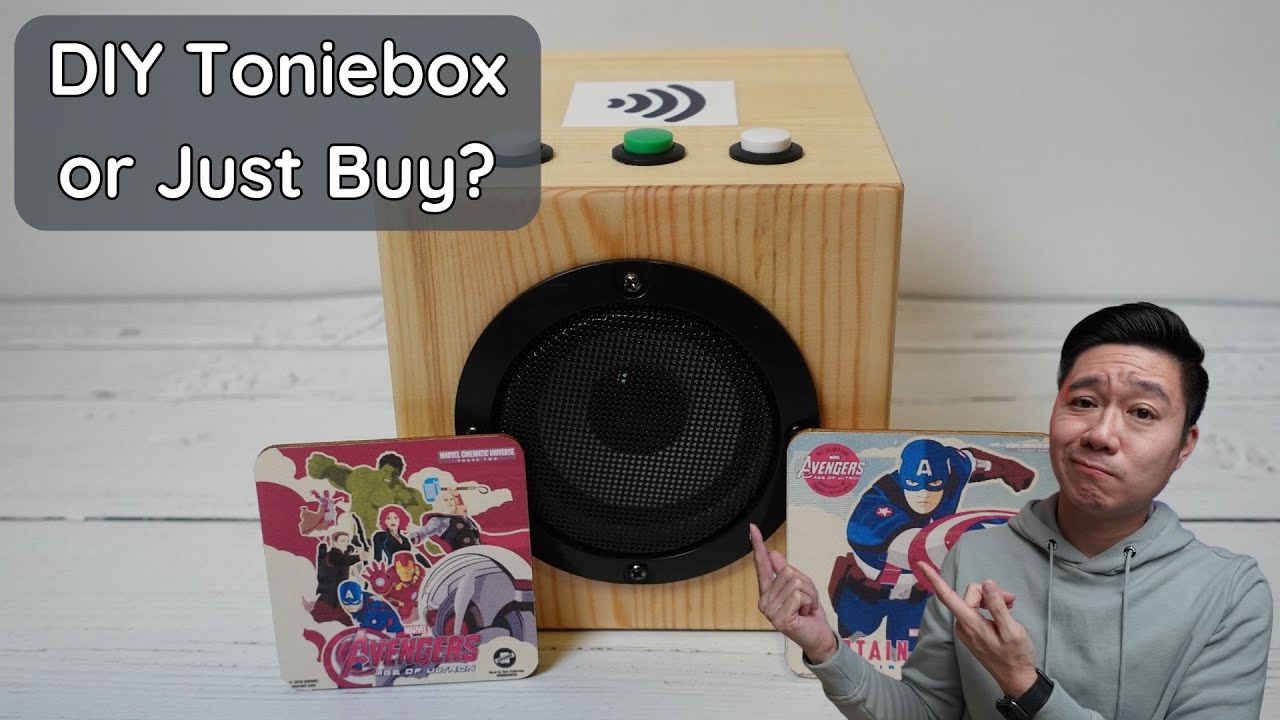
DIY Toniebox vs Yoto: Is It Worth the Trouble?
The short answer is that building a DIY, screen-free audio player can function as a solid, self-contained alternative to commercial units like the Yoto Player or Toniebox, especially if content ownership and customization are top priorities. However, the initial investment in parts and the time commitment for building it mean that “cheaper” is a relative term. Readers should weigh the upfront cost and technical hurdles against the long-term benefit of owning your media files.
What’s the Cost Comparison: DIY vs. Commercial Units?
The financial reality of the DIY approach differs significantly from the assumption that it will be cheaper.
- Initial Hardware Cost: Even before factoring in the Raspberry Pi itself, the necessary parts for the build cost $70–$80. Adding the Pi brings the total look to around $110.
- Comparison Points: This compares to the Toniebox or Yoto Player, which sit in a similar price bracket around $100 each. The Yoto Mini is noted as being around $70.
- Time Investment: The building process itself was time-consuming, taking roughly 2 hours per night for four to five nights of trial and error, even for the builder who is not an expert in soldering or woodworking.
How Does the Content Library Compare?
When evaluating these devices, the content source—and ownership of that content—is the biggest differentiator.
- Toniebox vs. Yoto Pricing: A typical Tonie costs about $18. The Yoto Player version was noted as being cheaper at $10, offering a longer story format (e.g., a 34-minute story vs. a 24-minute one for a specific Disney Frozen title).
- DIY Content Costs:
- Blank NFC Cards: A 30-pack was cited at $12.99, equating to about 43 cents per card.
- Audiobooks/Stories: This is where the process gets complex. To get content, one must use third-party services like libro.fm for straightforward MP3 downloads, as services like Audible don’t easily allow downloading purchased stories outside their app. For example, the Frozen audiobook was listed at $574 on the NFC card cost, resulting in a total of about $617.
What Are the Major Upsides and Risks of DIY?
The decision hinges on balancing proprietary ecosystems against total control.
The Case for DIY Ownership (The Biggest Advantage)
The strongest argument for the DIY route is content ownership.
- When purchasing audio from sites like libro.fm, the user receives the MP3 files. This means the content remains the user’s property forever, playable on any MP3 player, regardless of what happens to the source websites.
- In contrast, if a system like the Toniebox or Yoto were to cease production or their servers went offline, the physical cards would lose value because the ability to redownload or transfer content would be lost.
The Limitations of DIY
The DIY path introduces several hurdles:
- Software Complexity: The software relies on open-source projects like Phonybox, which requires users to navigate complex, sometimes non-English, technical documentation.
- Legal Gray Areas: Utilizing third-party software for content can potentially violate the terms of service of major audiobook providers, posing a risk to accounts.
- Physical Durability: The housing itself needs consideration. The builder repurposed a wooden tissue box holder, noting that it might not withstand drops from younger children.
Feature Comparison: Screen vs. No Screen
- Screen Advantage (Yoto): The Yoto Player offers a noticeable advantage with its small screen, which clearly displays chapters with recognizable visuals, aiding navigation for children.
- DIY Customization: Customization options are nearly limitless, ranging from wooden cards to custom 3D printed elements.
The Final Verdict
For functionality and screen-free use, a well-built DIY Phonybox can absolutely replace the Toniebox, especially if the user is prepared to invest more upfront for cheaper content access later on. Replacing the Yoto Player is viewed as trickier due to the screen’s navigational benefits. Ultimately, if the primary goal is absolute, permanent ownership of the digital media files and the user is comfortable tackling complex, non-standard software setups, DIY provides total control. If ease of use, immediate functionality, and a polished user experience are the highest priorities, the commercial players remain easier to adopt.
Disclaimer: Some of the links below are affiliate links, meaning I may earn a small commission at no extra cost to you if you decide to purchase.
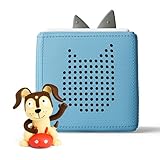
Where to buy


As an Amazon Associate I earn from qualifying purchases. Some links on this page are affiliate links — I may earn a small commission at no extra cost to you. Prices shown are accurate as of 2026-10-05 and may change.