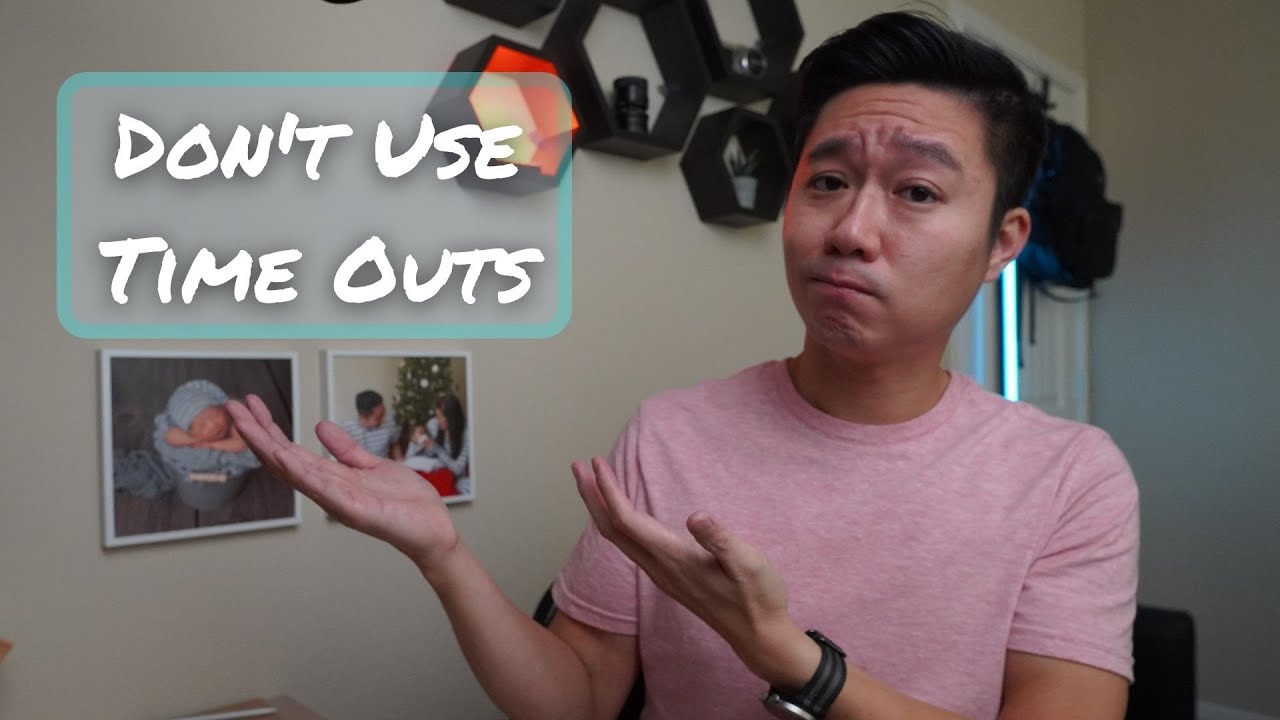
Calming Corner for Toddlers: A Positive Discipline Guide
A calming corner is a proactive, soothing space designed to help toddlers manage big feelings without resorting to punishment or threats. Rather than thinking of it as a “timeout corner,” which can feel punitive, this area teaches children that having big emotions is normal, but how they react to those emotions can be taught. Implementing this system is a continuous process that requires patience from the adults.
How is a Calming Corner Different From Time Out?
The biggest distinction to understand is the intent behind the space.
- Time Out: This method is often viewed as a threat or a punishment, which tends to keep a child in an angry, resistant mindset.
- Calming Corner: This is described as a soothing and inviting space. The goal is for the child to use it to “engage their minds, calm down their bodies, and release strong emotions in a safe and controlled manner.” The child ultimately decides when they are ready to leave.
When Should You Introduce a Calming Corner?
The process requires intentional implementation, and timing is key to making it effective.
- Proactive Use: It is best to encourage the visit when signs of escalating behavior appear—things like a clenched jaw, tight fists, a running face, or raising voices.
- Beyond Tantrums: These spaces aren’t just for anger. They can also be used when a child experiences heightened emotions, like being overly excited, before things spiral out of control.
- The Cycle: After a child calms down in the corner, the adult needs to guide the conversation. The discussion should focus on why the behavior wasn’t acceptable and how they might handle a similar situation better next time.
What Items Should Actually Go Into the Corner?
There is no single rule set for what needs to be included, but the space must feel comfortable and inviting enough that the child wants to be there.
Furnishings and Comfort
- Seating: Items that encourage physical relaxation, such as beanbag chairs or soft blankets and pillows.
- Activities: The space needs engaging elements for the mind. Sensory activities are often recommended. Ideas include:
- Books
- Bubble wrap
- Art materials
- Stuffed animals
- Glitter jars
Optional Additions
- Some parents opt to add structure with decorative elements, such as posters or kits that guide calming strategies. The speaker noted that while these kits (like the one from Jen Mindful called Time In Toolkit) can look nice and act as visual guides, they are 100% optional.
How Long Does Building This Habit Take?
A key expectation to manage is that this is not an overnight fix.
- The transcript emphasized that it is a continuous cycle and will require multiple visits before the positive habits start to stick.
- The required shift in adult thinking is crucial: When misbehavior occurs, the focus must pivot from “What’s wrong with this child?” to “How can I help this child?”
The Final Verdict
The calming corner is a valuable, non-punitive tool for teaching emotional regulation. It shifts discipline from immediate reaction (like timeouts) to teaching self-management skills. Success depends heavily on the adult maintaining the mindset that the corner is a “happy place,” and on the parent consistently following through with the structured discussion after the child has calmed down.
Disclaimer: Some of the links below are affiliate links, meaning I may earn a small commission at no extra cost to you if you decide to purchase.