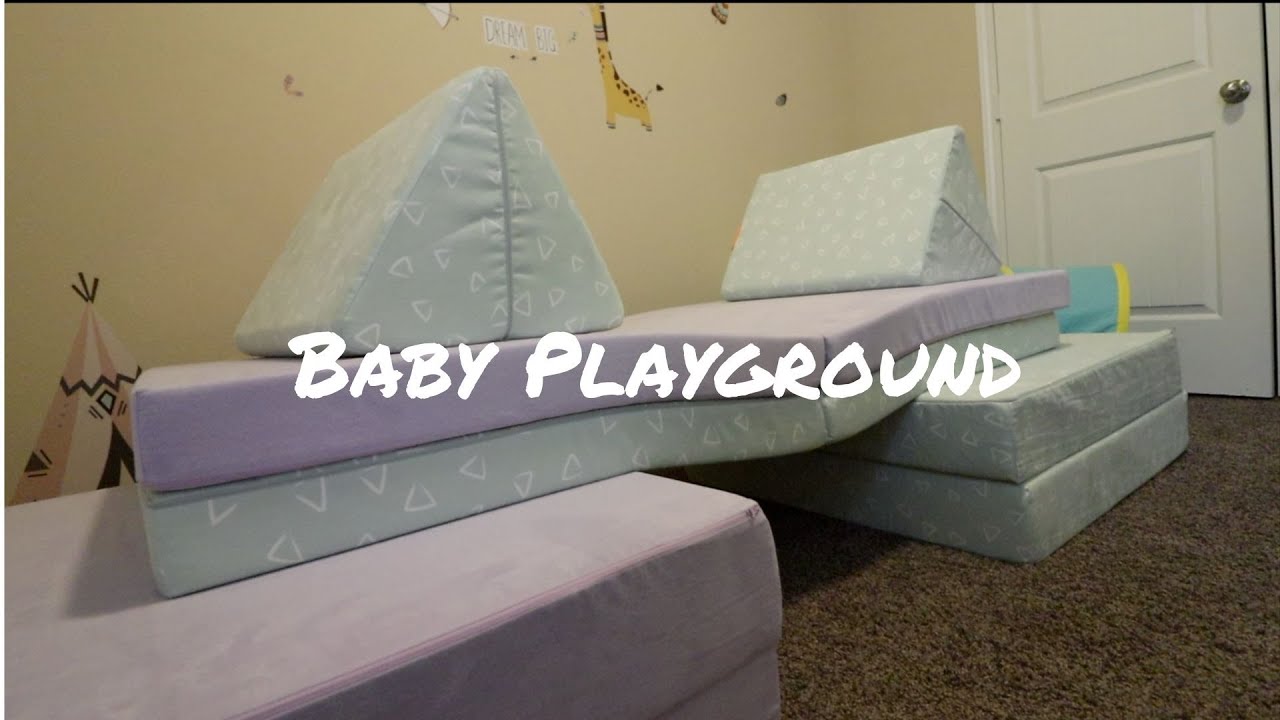
Best Nugget Setups to Promote Crawling and Climbing
When setting up play areas for a baby who is just learning to crawl and stand, the goal shifts from structured play to promoting foundational motor skills. In our experience, the Play Nook system, especially with simple, foundational designs, is incredibly useful because it naturally encourages pulling up, crawling, and climbing. While fancy, elaborate forts look great, the simplest setups seem to provide the most functional opportunities for a baby learning to navigate.
What Makes a Play Setup Good for Crawling Babies?
The focus when designing a play space for an 11-month-old—who is actively learning to pull up and crawl—should be on providing varied physical challenges rather than just aesthetic appeal.
- Focus on Motor Skills: The best setups incorporate elements that require the baby to actively pull themselves up and crawl through different terrains.
- The Power of Simple Design: The speaker noted that the simple designs are actually performing better for skill development than the more complex forts, as they directly challenge the baby’s ability to climb and crawl.
- Encouraging Pathways: Incorporating things like Lovevery play tunnels is highly suggested, as these tunnels force the baby to crawl through a contained space.
- Preventing Collisions: When setting up boundaries, using smaller triangles placed strategically can help guide the baby and prevent them from running into walls.
How Can You Incorporate Different Climbing Challenges?
The Play Nook system offers versatility by allowing you to build different levels of physical engagement:
- Multiple Tiers: The system allows for the creation of two different tiers of climbing, which teaches the child that there are multiple ways to ascend an object.
- Ramps and Slides: If stairs are used, the system can be adapted. The thicker piece can be placed on top to create a slide, while the thinner piece can act as a little cart for rolling toys.
- Integrating Other Furniture: A great way to extend its utility is to use the Play Nook with existing furniture. For example, the larger piece can be placed on top of a sturdy piece of furniture like a crib.
Do Fancy Play Structures Outperform Simple Ones?
The general consensus from the setup review suggests that functionality beats flashiness when it comes to supporting early development.
- Activity vs. Aspiration: While people online showcase incredible, grand fort designs, the actual activity level for a baby learning to crawl is limited.
- The Best Use Case: The most valuable use of the Play Nook, according to the speaker, is utilizing it for tasks like pulling oneself up and crawling, which the simple structures facilitate perfectly.
How Much Adult Supervision is Required?
The speaker gave a very clear warning regarding the intensity of the activities:
- When using the Play Nook as a slide, adult supervision is highly suggested—one adult should be positioned on top of the stairs, and another one should be at the bottom.
The Final Verdict
The Play Nook system appears to be a versatile and highly useful investment for promoting foundational motor skills in a baby who is learning to crawl and pull up. For parents with a baby at the stage of learning to crawl, the simple, modular designs that encourage climbing and traversing are recommended over elaborate, overly complex forts.
Disclaimer: Some of the links below are affiliate links, meaning I may earn a small commission at no extra cost to you if you decide to purchase.