Best Non-Subscription Educational Toys for Toddlers Review
After going through a massive collection of toys, much of which comes from subscription services like KiwiCo and Lovevery, the takeaway is that a mix of hands-on, open-ended play items and single, high-quality wooden toys seems to keep things engaging. This post covers some standout pieces we kept outside of the main subscription rotation, giving an honest look at what actually held Alister’s attention over the last few months.
Which Toys Did Actually Keep Him Engaged?
The toys that have remained in our rotation for a significant time are those that encourage varied interaction rather than single-use activities.
- Hape Ball Drop Xylophone: This wooden toy proved enjoyable for Alister. He engages with it by dropping balls, and he also enjoys the simple act of banging on the xylophone. It’s very well-constructed wood. The primary point of caution is the hammer attachment; while the handle is wood, the top section is plastic and feels a bit wobbly. It has lasted three months so far, but caution is advised with the plastic components.
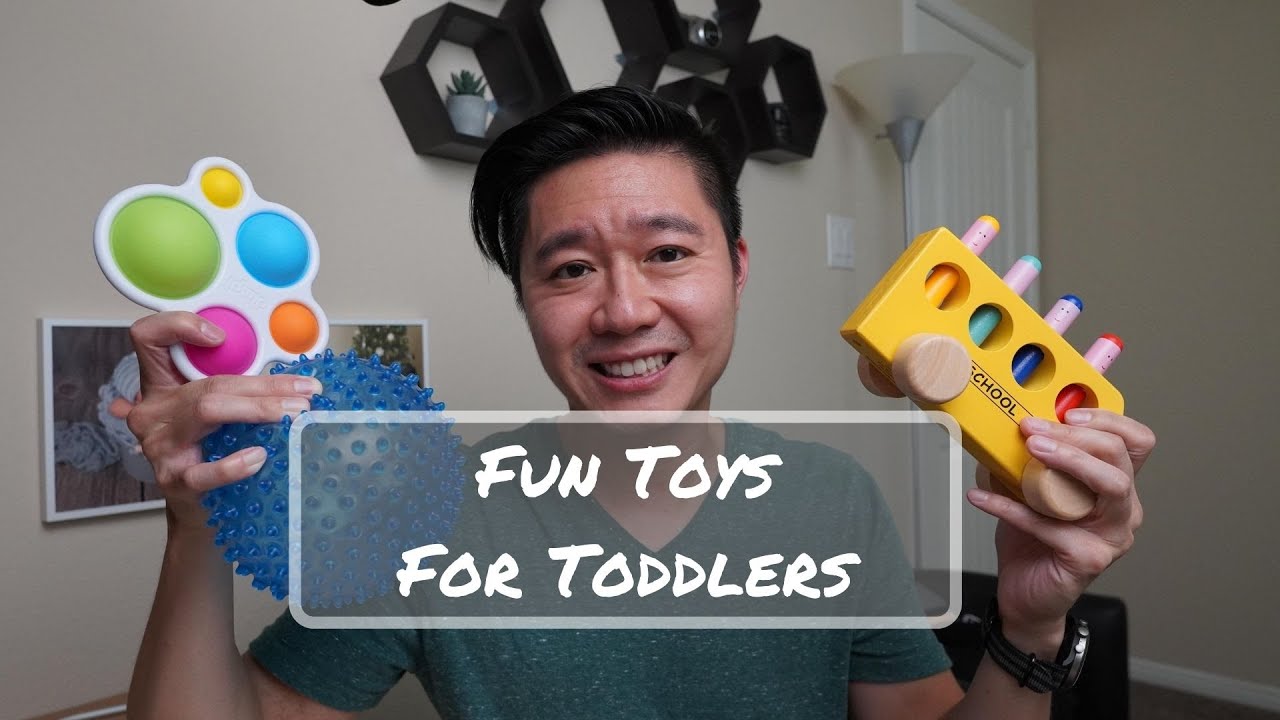
- School Pop-Up Toy: This item, which is a variant of a popular Montessori-style toy, is a big hit. Its ability to pop up little items, especially with wheels, seems to appeal greatly to both him and his nephew.
- Dimple Toy: This simple item, where you just press five little spots down, has seen great progress. Initially, he struggled to press them, but now he can press every single one down.
What About the Sensory and Learning Toys?
Several other items were looked at, fitting into different play categories:
- EduShape Sensory Balls: These were initially bought for a niece, but Alister seems to enjoy playing with them, particularly the larger ones that are nice for him to hold.
- Lacing Toy: This toy is considered quite advanced for his current stage, and he hasn’t shown much sustained interest in it, making it a candidate for rotation out soon.
- IKEA Abacus & Stacking Rainbow: These items, kept out of reach for decoration, are noted for their learning potential—teaching colors and counting later on. The stacking rainbows are specifically good for nesting and imaginative play.
Are Subscription Boxes Worth It?
A large portion of the toys in the rotation come from subscription services, specifically mentioning KiwiCo and Lovevery’s play kits. While these boxes provide a steady stream of new items, the focus here is on the standalone toys we acquired outside of those recurring shipments.
- KiwiCo Panda Crate: Many of the toys sprinkled throughout the upper shelf are from this source.
- Lovevery: Several items, including the more advanced pieces, are noted to be from Lovevery.
How Much Does Open-Ended Play Beat Structured Toys?
The general observation is that open-ended play—things that can be used for multiple purposes or are simple enough to interact with physically—tends to be the most durable in terms of sustained interest.
- Wooden vs. Plastic: The preference leans toward solid, wooden construction, as seen with the Hape item, compared to the wobbly plastic on its accessory hammer.
- Imagination Play: Items like the stacking rainbow that encourage using imagination are highlighted as being valuable, whereas highly specific tasks might lose interest faster.
The Final Verdict
The toys that have stood up to time in our setup are those that offer tactile, open-ended interaction—specifically the Hape ball drop xylophone and the School Pop-Up Toy. While subscription boxes provide volume, the enduring appeal seems to come from high-quality, simple wooden toys or items that facilitate imaginative play. The verdict is that the quality and open-ended nature of the toy matter more than the brand or the subscription source.
Disclaimer: Some of the links below are affiliate links, meaning I may earn a small commission at no extra cost to you if you decide to purchase.
Where to buy
Some links on this page are affiliate links — I may earn a small commission at no extra cost to you.